Get Industrial Lawn Aerating
Industrial lawn aerating services help property owners improve soil health, reduce compaction, and promote healthier grass growth through core or spike aeration performed by local contractors.
Property owners in the area considering lawn maintenance solutions often explore services like lawn aeration to promote healthier, more resilient turf. Proper aeration can improve soil health, enhance air and water penetration, and support robust grass growth, making it a practical step for maintaining a vibrant landscape. Whether preparing for seasonal changes or addressing specific lawn issues, understanding the benefits of professional aerating services can help in planning an effective lawn care strategy.
For those evaluating options, connecting with local contractors who specialize in industrial lawn aerating services ensures access to experienced professionals equipped to handle various property sizes and conditions. Comparing local providers can help identify the right fit for your project, ensuring the work is performed efficiently and to the desired standards. Keep reading to learn more about how professional aeration services can support your property's lawn health.
- Commercial properties - property managers may need lawn aerating services to maintain healthy turf and meet landscaping standards.
- Residential lawns - homeowners often seek aeration to improve soil health and promote lush grass growth.
- Sports fields - athletic field managers require aeration to ensure safe and even playing surfaces.
- Parks and recreational areas - park maintenance teams may need aeration to support vibrant, durable grass cover.
- Event venues - outdoor event spaces might need lawn aerating services to prepare for large gatherings and ensure a pristine appearance.
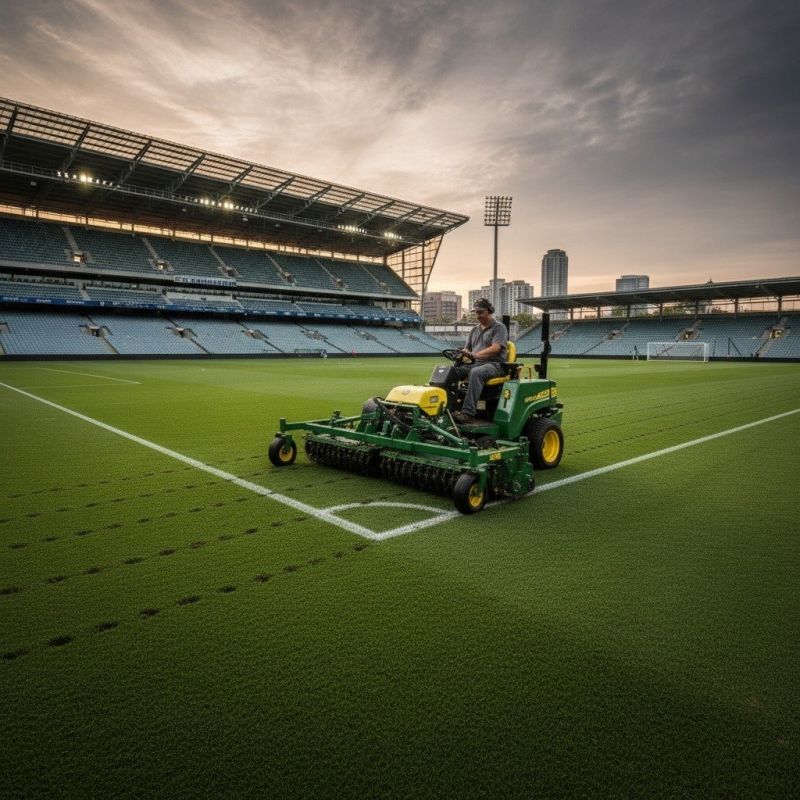
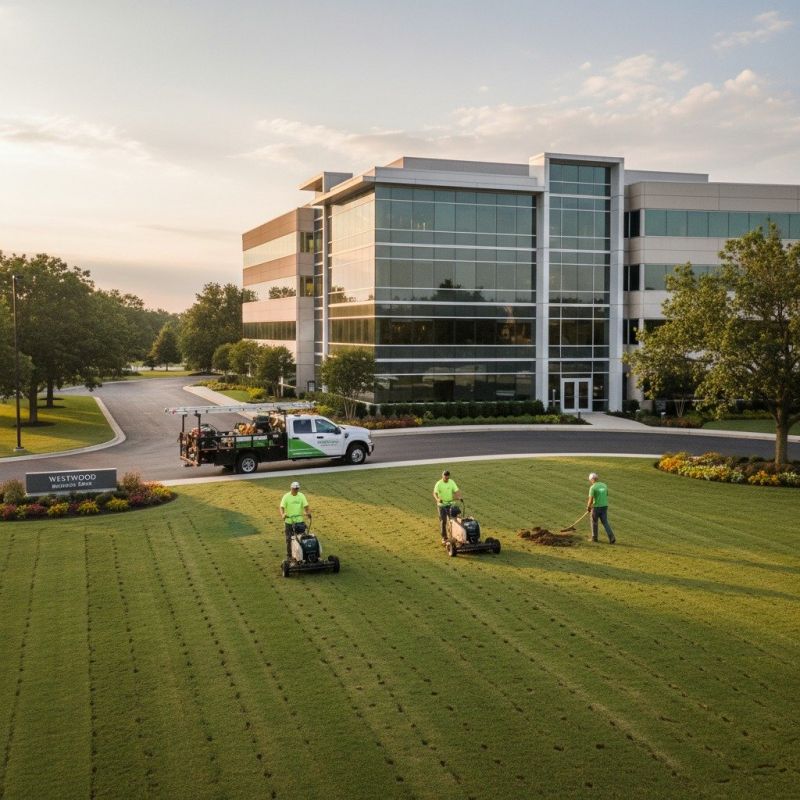
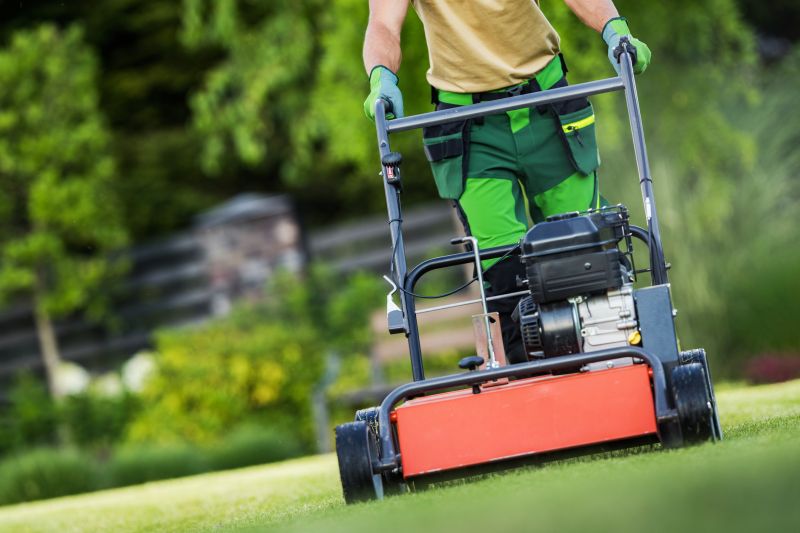
Industrial lawn aerating services involve the process of perforating the soil of a lawn or turf area to improve its overall health and vitality. This typically involves using specialized equipment to create small holes or channels in the ground, allowing air, water, and nutrients to penetrate more deeply into the soil. Aeration helps break up compacted areas, reduces thatch buildup, and promotes healthier root growth, resulting in a more lush and resilient lawn. Many local contractors offer these services to ensure that properties maintain strong, well-maintained grass that can withstand foot traffic and environmental stresses.
This service is particularly effective in addressing common lawn problems such as soil compaction, poor drainage, and uneven growth. When soil becomes compacted over time-often due to heavy foot traffic, machinery, or heavy rainfall-the grass roots struggle to access essential air and nutrients. Aeration alleviates this issue by creating space for roots to grow more freely, which can lead to greener, thicker turf. Additionally, aeration can help reduce water runoff and puddling, making irrigation more effective and preventing issues like disease or pest infestations caused by overly damp conditions.
Properties that typically benefit from lawn aerating services include commercial landscapes, sports fields, parks, and large residential lawns. These properties often experience higher foot traffic or use, which accelerates soil compaction and turf deterioration. Regular aeration can extend the lifespan of the grass, improve its appearance, and create a healthier environment for ongoing maintenance or landscaping efforts. Homeowners with expansive lawns or areas prone to heavy usage are encouraged to consider aeration as part of their regular lawn care routine to keep their outdoor spaces vibrant and functional.
By working with local service providers, property owners can find experienced professionals who understand the specific needs of their landscape. Whether addressing persistent soil problems or preparing a lawn for seasonal growth, these contractors can assess the condition of the soil and recommend appropriate aeration techniques. Proper aeration can be a key step in maintaining healthy, attractive lawns, especially for properties that face soil compaction issues or require improved drainage. Contacting local pros allows homeowners and property managers to access tailored solutions that help keep outdoor spaces in optimal condition.
The overview below groups typical Industrial Lawn Aerating projects into broad ranges so you can see how smaller, mid-sized, and larger jobs often compare in your area.
In many markets, a large share of routine jobs stays in the lower and middle ranges, while only a smaller percentage of projects moves into the highest bands when the work is more complex or site conditions are harder than average.
Smaller Residential Jobs - Typical costs for routine lawn aerating services on smaller residential properties generally range from $250 to $600. Many standard jobs fall within this middle range, depending on the size and condition of the lawn.
Medium-sized Commercial Projects - For larger commercial properties or multiple lawn sections, prices often range from $600 to $1,500. These projects are more complex but are still common within this moderate cost band.
Large or Complex Projects - Larger, more intricate aeration jobs, such as extensive sports fields or heavily compacted lawns, can reach $1,500 to $3,000 or more. Fewer projects fall into this high-cost range, which typically involves specialized equipment or additional services.
Full Lawn Renovation or Replacement - Complete lawn renovation, including aeration and reseeding, can cost $3,000 to $5,000+ depending on the size and scope. These projects are less common and represent the upper end of typical costs for extensive lawn work.
Actual totals will depend on details like access to the work area, the scope of the project, and the materials selected, so use these as general starting points rather than exact figures.
Soil Testing and Preparation - Local contractors may perform soil testing and preparation to ensure optimal conditions for aeration and healthy turf growth.
Landscaping and Grading - Landscaping projects involving grading and soil management often require similar planning and equipment as lawn aerating services.
Seeding and Overseeding - Seeding projects benefit from aeration to improve seed-to-soil contact, making them related in terms of turf health enhancement.
Drainage System Installation - Installing drainage solutions involves soil assessment and manipulation comparable to aerating work for better water flow management.
Tree and Shrub Planting - Preparing the soil for planting involves tools and techniques akin to aeration to promote healthy root development.
Soil Amendment and Fertilization - Applying soil amendments and fertilizers often follows aeration to maximize nutrient absorption and turf vitality.
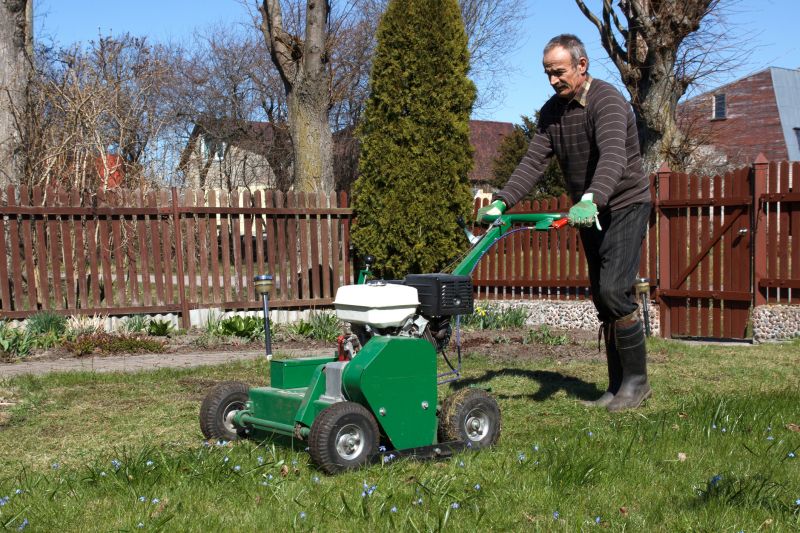
When comparing service providers for industrial lawn aerating, it's important to consider their experience with similar projects. Look for local contractors who have a proven track record of handling large-scale or comparable lawn care jobs. An experienced professional will understand the nuances of different soil types, grass varieties, and landscape conditions, which can influence the effectiveness of aeration. Asking about past projects or seeking references can help gauge their familiarity with projects of similar scope and complexity, ensuring the chosen provider has the practical know-how to deliver quality results.
Clear written expectations are essential for a successful lawn aerating service. When reviewing local pros, ensure they provide detailed descriptions of their services, including the methods they use, the equipment involved, and any preparations or follow-up steps required. Transparent communication about what the job entails helps prevent misunderstandings and sets a solid foundation for the work. Reputable service providers often offer written estimates or service agreements that outline the scope, so homeowners can compare options effectively and make informed decisions based on clear, consistent information.
Reputation and communication are key factors when selecting local contractors for lawn aeration. Reliable providers typically have a history of positive references from previous clients, demonstrating their ability to meet expectations and complete projects satisfactorily. Good communication throughout the process-such as responsiveness to inquiries and clarity about services-can also indicate a professional approach. Since the site introduces homeowners to local options rather than performing the work itself, it’s advisable to contact multiple service providers to ask questions, review their credentials, and ensure they are accessible and transparent, helping to find the best fit for the specific lawn care needs.
Property owners use Industrial Lawn Aerating services for practical projects around their homes and businesses. This guide focuses on everyday jobs and straightforward project options.
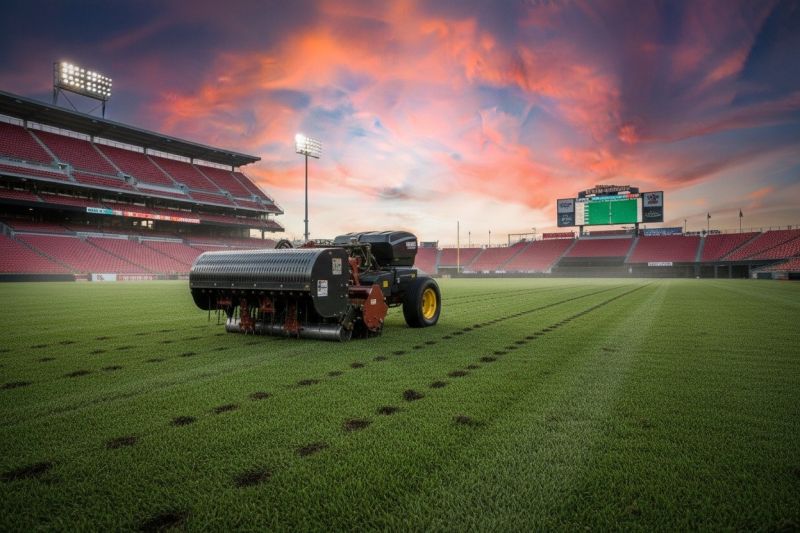
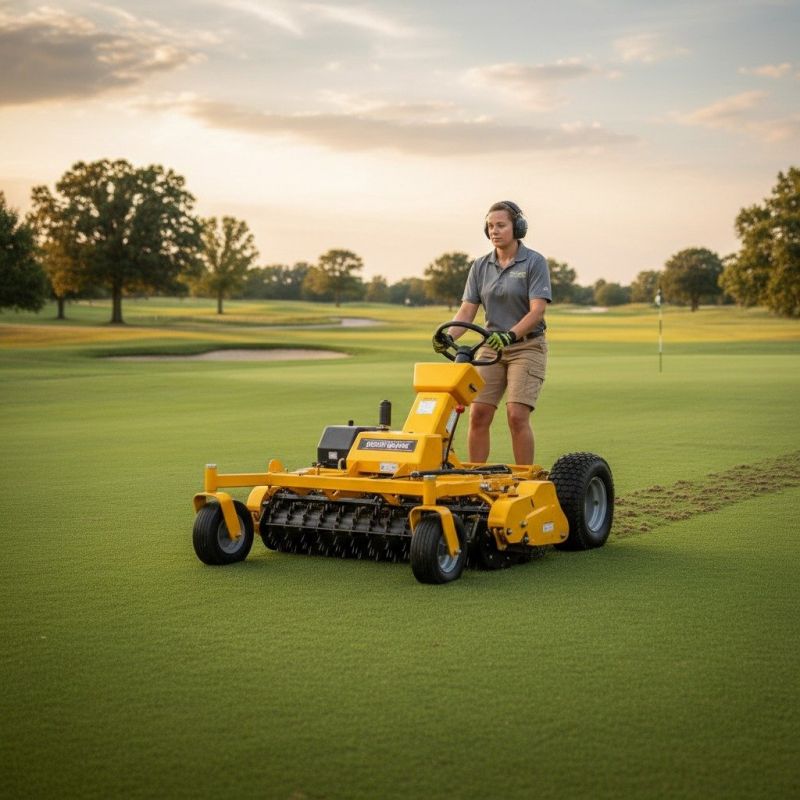
Industrial lawn aerating services are often sought after by property owners dealing with compacted soil or uneven turf. Over time, foot traffic, heavy equipment, or weather conditions can cause the soil beneath lawns to become dense, making it difficult for air, water, and nutrients to reach the grass roots. This can lead to patchy, unhealthy lawns that require professional attention to restore their appearance and vitality. Local contractors who specialize in lawn aeration can assess the condition of the soil and recommend the appropriate methods to improve lawn health and ensure proper growth.
Property owners may also look for lawn aerating services when preparing to overseed or improve drainage on their land. Aeration helps create a better environment for grass seeds to establish and grow, especially in areas prone to standing water or poor drainage. Whether maintaining a residential yard or managing a larger commercial property, local service providers can deliver targeted solutions to enhance lawn resilience and appearance. Engaging experienced contractors ensures that the work is done efficiently and effectively, supporting the ongoing upkeep of healthy, lush outdoor spaces.
What is lawn aeration for industrial properties? Lawn aeration involves creating small holes in the soil to improve air, water, and nutrient flow, promoting healthier grass growth on large commercial or industrial grounds.
How can aerating benefit an industrial lawn? Aerating helps reduce soil compaction, enhances drainage, and encourages stronger root development, leading to a more resilient and attractive landscape.
What types of equipment do local contractors use for lawn aeration? Contractors typically use core aerators that remove plugs of soil or spike aerators that create holes, depending on the lawn's needs and soil conditions.
Is lawn aeration suitable for all types of industrial landscapes? Aeration is generally suitable for most large-scale lawns, especially those experiencing heavy foot traffic or soil compaction, but a local contractor can assess specific site conditions.
How often should industrial lawns be aerated? The frequency depends on soil type and usage, but many industrial lawns benefit from aeration once or twice a year to maintain optimal health.
Improve Lawn Health - Regular aeration helps property owners maintain a lush, healthy lawn by reducing soil compaction and increasing nutrient absorption.
Prepare for Seeding or Overseeding - Aerating the soil creates ideal conditions for new grass seeds to take root and grow evenly across the yard.
Reduce Thatch Buildup - Property owners can use aeration services to break up excess thatch, promoting better water and air flow to grassroots.
Enhance Drainage - Local contractors can improve water drainage in areas prone to pooling, preventing water damage and promoting a safer lawn.
If you are thinking about Industrial Lawn Aerating for a property, this guide is meant to help you understand the work, the typical project types, and how different options might fit your plans.
When you are ready, you can use the quote form on this page to share a few details about your project. From there, local pros can review the basics and respond with options that match what you have in mind.